Our goal is to help everyone achieve their best possible health by reducing the harms of smoking, vaping and other nicotine products.
We do that through:
- Supporting youth prevention
- Quit counselling
- Enforcement of the Smoke Free Ontario Act (SFOA) 2017
- Vendor training
- Public education
- Community partnerships
Help Quitting
Ready to quit? We can help people who smoke, vape or use other nicotine products. For more information, please visit our Help Quitting Page.
Smoke-Free Ontario Act 2017 Enforcement
Ensuring that provincial tobacco, cannabis and electronic cigarette (vaping) laws are followed is an important part of helping all of us lead healthier lives. The Thunder Bay District Health Unit is mandated to conduct ongoing inspections where tobacco and e-cigarettes are sold and on school property. We also respond to complaints regarding smoking or vaping in enclosed workplaces/public places and smoke-free outdoor spaces (hospital grounds, playgrounds, sports fields, etc.).
Our goal is to ensure retailers comply with the Smoke-Free Ontario Act 2017 through education and regular inspections. This is done by working with tobacco retailers, vendors of related products and workplace managers and supervisors by providing information and support to help them fulfill their obligations under the Act. For more information, please visit Smoke-Free Ontario Act Enforcement.
The TBDHU Tobacco Enforcement Unit can be contacted by calling 807-625-5900.
Community Partnerships
The TBDHU supports youth and young adults to reduce smoking, vaping and other harmful nicotine use.
Call the TBDHU Youth Engagement Facilitator at 807-625-5900 to discuss collaboration on programs, policies and activities.
Smoke and Vape-Free Spaces
Demand for smoke and vape-free spaces is growing. For assistance with organizational or event policies, call 807-625-5900.
To learn more about Ontario law, visit Where You Can't Smoke or Vape in Ontario or Smoke-Free Ontario FAQs.
Communities in the District of Thunder Bay also have their own by-laws regulating smoking. If you have any questions, please check with your municipality directly.
Smoke-Free Housing
There are lots of advantages to living in or owning a smoke-free home. Although rental housing is not covered by the Smoke-Free Ontario Act, many building owners are choosing to go smoke-free voluntarily, and demand is on the rise. To learn more about smoke-free housing and your rights as a landlord, owner, or tenant visit https://smokefreehousingon.ca/
Indigenous Peoples and Traditional Tobacco Use
Although smoking in indoor public spaces is prohibited, Indigenous people have the right to use tobacco for traditional, cultural or spiritual purposes. Indigenous residents of hospitals (public and private), long-term care homes and psychiatric facilities can request an indoor area for traditional uses.
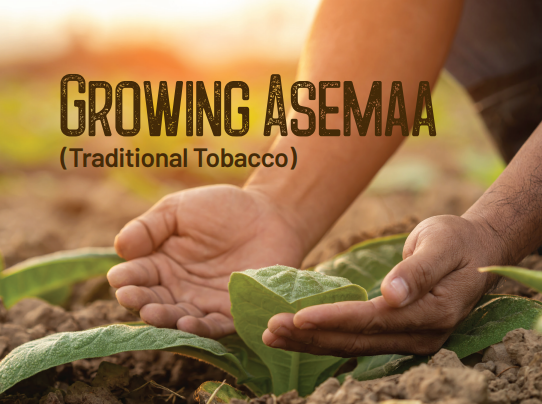
Traditional tobacco, or asemaa, is a sacred medicine to many Indigenous Peoples. Growing asemaa can bring people together in a good way and connect them to a healthy and healing way of life.